
Description
Polyol
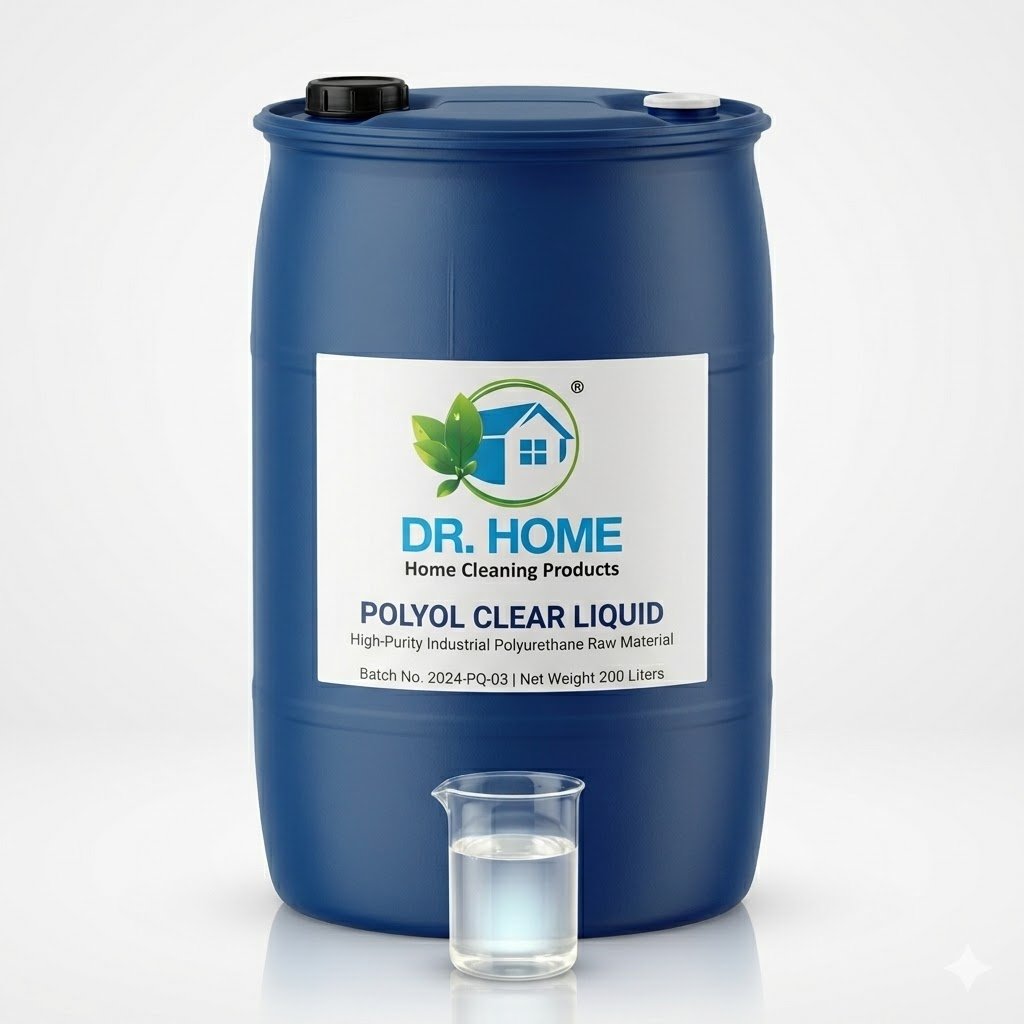
Polyol is a high-performance, glycol-based drilling fluid additive used as a shale inhibitor and lubricant in water-based drilling muds. It works by adsorbing onto clay surfaces and reducing water activity, thereby minimizing swelling and hydration of reactive shale formations. Polyol is a key component of Polyol Mud Systems, which offer shale inhibition performance approaching that of oil-based muds while remaining water-based and environmentally compliant.
Product Overview
Polyol is a high-performance, glycol-based drilling fluid additive used as a shale inhibitor and lubricant in water-based drilling muds. It works by adsorbing onto clay surfaces and reducing water activity, thereby minimizing swelling and hydration of reactive shale formations. Polyol is a key component of Polyol Mud Systems, which offer shale inhibition performance approaching that of oil-based muds while remaining water-based and environmentally compliant.
Technical Specifications
| Parameter | Value |
|---|---|
| Appearance | Clear to Light Yellow Liquid |
| Density | 1.0 – 1.2 g/cm³ |
| pH | 6.0 – 8.0 |
| Viscosity | Low to medium viscosity liquid |
| Cloud Point | 60°C – 80°C (adjustable) |
| Solubility | Soluble in water at room temperature |
| Flash Point | > 100°C |
| Active Content | ≥ 95% |
Applications
Shale Inhibition
Reduces hydration and swelling of reactive shale formations
Polyol Mud Systems
Primary inhibitor in water-based polyol mud programs
Lubrication
Reduces torque and drag in directional and horizontal wells
Temperature-Activated Plugging
Cloud point effect seals micro-fractures at elevated temperatures
Offshore Drilling
Environmentally acceptable alternative to oil-based muds
Safety Information
Handling Precautions
- Avoid contact with eyes and skin
- Use appropriate PPE — gloves and safety goggles
- Keep away from ignition sources
Storage Conditions
- Store in a cool, dry, and well-ventilated area
- Keep away from direct sunlight and moisture
- Recommended storage temperature: 5°C – 40°C
- Shelf Life: 2 years from date of manufacture
First Aid Measures
- Eyes: Flush with water for 15 minutes; seek medical attention
- Skin: Wash with soap and water
- Inhalation: Move to fresh air
- Ingestion: Do not induce vomiting; seek medical attention
✔ Low toxicity under GHS classification
✔ Not classified as highly hazardous
✔ Biodegradable under standard environmental conditions
✔ Not classified as highly hazardous
✔ Biodegradable under standard environmental conditions
Frequently Asked Questions (FAQs)
Q1. How does Polyol inhibit shale swelling?
Polyol adsorbs onto clay surfaces in the shale and reduces the activity of water in the mud, preventing water molecules from entering the clay lattice and causing swelling or hydration.
Q2. What is the cloud point of Polyol and why is it important?
The cloud point is the temperature at which Polyol becomes insoluble and forms droplets in the mud. At bottomhole temperatures above the cloud point, Polyol droplets adsorb onto formation surfaces and micro-fractures, creating a barrier that reduces fluid invasion — similar to the filtercake effect of oil-based muds.
Q3. Can Polyol replace oil-based mud?
Polyol mud systems can approach the inhibition performance of oil-based muds in moderately reactive shale formations. However, for extremely reactive or swelling shales, oil-based muds may still be preferred.
Q4. Is Polyol environmentally safe?
Yes. Polyol is biodegradable and has low aquatic toxicity, making it suitable for use in environmentally sensitive offshore locations.
Q5. What is the recommended dosage?
Typical dosage ranges from 3 to 10% by volume of the total mud system, depending on shale reactivity and operational requirements.
Q6. Is Polyol compatible with other mud additives?
Yes. Polyol is compatible with KCl, PAC, CMC, XC Polymer, and most standard water-based mud additives.
Reviews
There are no reviews yet.