
Description
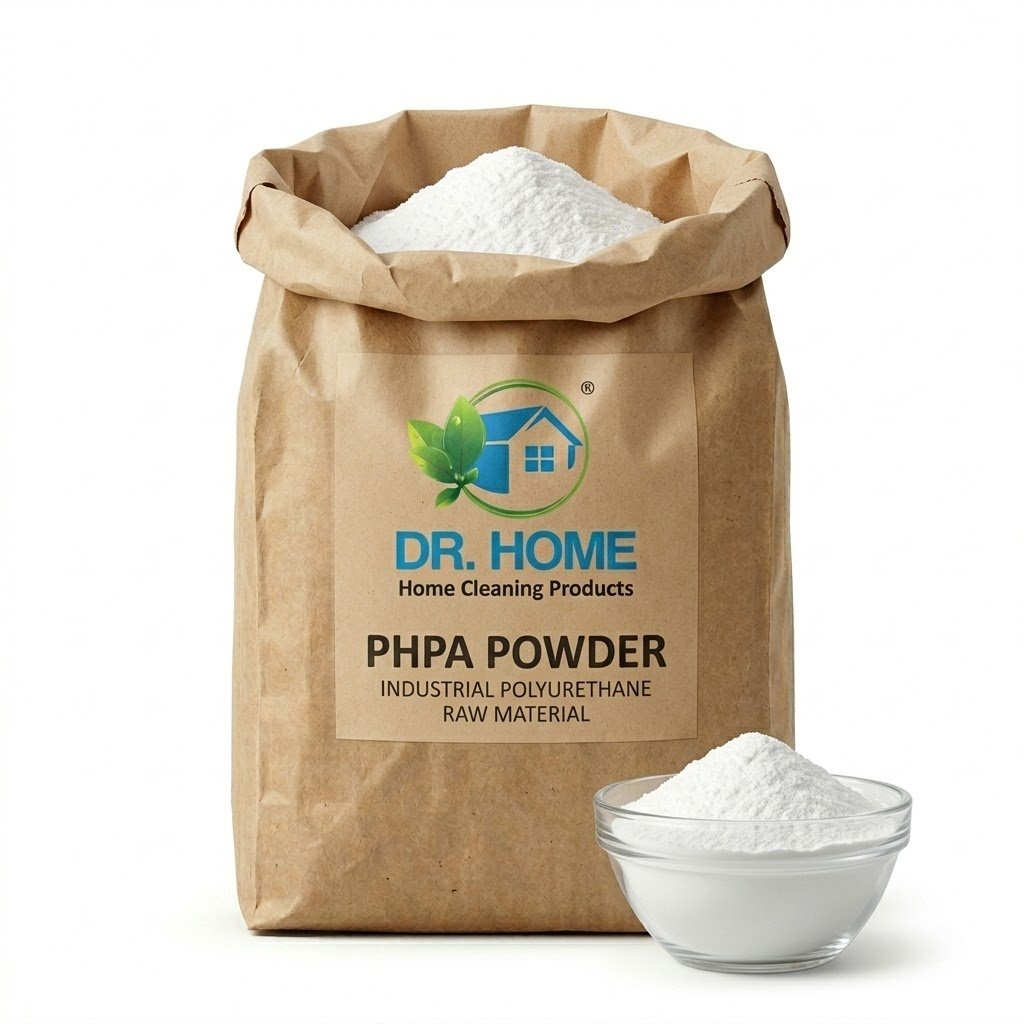
Partially Hydrolyzed Polyacrylamide (PHPA)
Partially Hydrolyzed Polyacrylamide (PHPA) is a high-molecular-weight, anionic synthetic polymer used extensively in water-based drilling fluid systems. It is a co-polymer of acrylamide and acrylate, where a controlled percentage of the amide groups have been hydrolyzed to carboxylate groups, giving the polymer both hydrophilic and shale-inhibiting properties. PHPA is primarily used as a shale encapsulator, viscosifier, and fluid loss control agent. It is one of the most effective shale inhibitors for water-based muds, working by adsorbing onto clay surfaces and preventing dispersion and hydration of shale cuttings.
Product Overview
Partially Hydrolyzed Polyacrylamide (PHPA) is a high-molecular-weight, anionic synthetic polymer used extensively in water-based drilling fluid systems. It is a co-polymer of acrylamide and acrylate, where a controlled percentage of the amide groups have been hydrolyzed to carboxylate groups, giving the polymer both hydrophilic and shale-inhibiting properties. PHPA is primarily used as a shale encapsulator, viscosifier, and fluid loss control agent. It is one of the most effective shale inhibitors for water-based muds, working by adsorbing onto clay surfaces and preventing dispersion and hydration of shale cuttings.
Technical Specifications
| Parameter | Value |
|---|---|
| Appearance | White to Off-White Powder or Granules |
| Molecular Weight | 5 – 20 million Daltons |
| Degree of Hydrolysis | 25 – 35% |
| Moisture Content | ≤ 12% |
| pH (0.5% solution) | 7.0 – 9.5 |
| Viscosity (0.5% solution) | High — variable by grade |
| Solubility | Soluble in water (slow hydration) |
| Ionic Character | Anionic |
Applications
Shale Encapsulation
Adsorbs onto cuttings and prevents dispersion into mud
Water-Based Inhibitive Muds
Primary polymer in PHPA mud systems
Viscosity Building
High molecular weight provides excellent suspension properties
Fluid Loss Control
Reduces filtration rate in polymer mud systems
Reducing Cuttings Dispersion
Maintains cuttings integrity for improved solids control
Safety Information
Handling Precautions
- Avoid inhalation of dust; use dust mask and gloves
- Slippery when dissolved in water — handle with care during mixing
- Avoid contact with eyes
Storage Conditions
- Store in a cool, dry, and well-ventilated area
- Keep away from moisture and direct sunlight
- Recommended storage temperature: Below 40°C
- Shelf Life: 2 years from date of manufacture
First Aid Measures
- Eyes: Flush with water for 15 minutes
- Skin: Wash with soap and water
- Inhalation: Move to fresh air
- Ingestion: Seek medical attention if required
✔ Low toxicity under GHS classification
✔ Not classified as hazardous under standard GHS criteria
✔ Biodegradable under environmental conditions
✔ Not classified as hazardous under standard GHS criteria
✔ Biodegradable under environmental conditions
Frequently Asked Questions (FAQs)
Q1. How does PHPA encapsulate shale cuttings?
PHPA polymer chains adsorb onto the surface of shale cuttings through hydrogen bonding and electrostatic interactions, forming a protective coating that prevents water penetration and clay dispersion into the mud system.
Q2. What is the difference between PHPA and regular polyacrylamide?
Regular polyacrylamide (PAM) is non-ionic and has limited shale inhibition. PHPA has been partially hydrolyzed to introduce anionic carboxylate groups, which dramatically improve clay adsorption and shale inhibition performance.
Q3. How long does PHPA take to hydrate fully?
PHPA is a high-molecular-weight polymer that hydrates slowly. Full hydration may take 30 to 60 minutes under continuous agitation. It should be added slowly to the mud system to prevent fish-eye formation.
Q4. Is PHPA compatible with KCl and salt muds?
PHPA performs best in low-to-moderate salinity systems. High electrolyte concentrations (especially divalent cations like Ca²⁺ and Mg²⁺) can reduce its effectiveness. Compatibility testing is recommended for high-salinity applications.
Q5. What is the recommended dosage?
Typical dosage ranges from 0.25 to 1.5 lb/bbl depending on the application, shale reactivity, and desired viscosity and inhibition levels.
Q6. Is PHPA environmentally safe?
Yes. PHPA is considered low toxicity and biodegrades under standard environmental conditions. It is widely accepted for use in onshore and offshore drilling operations subject to local discharge regulations.
Reviews
There are no reviews yet.