

Description
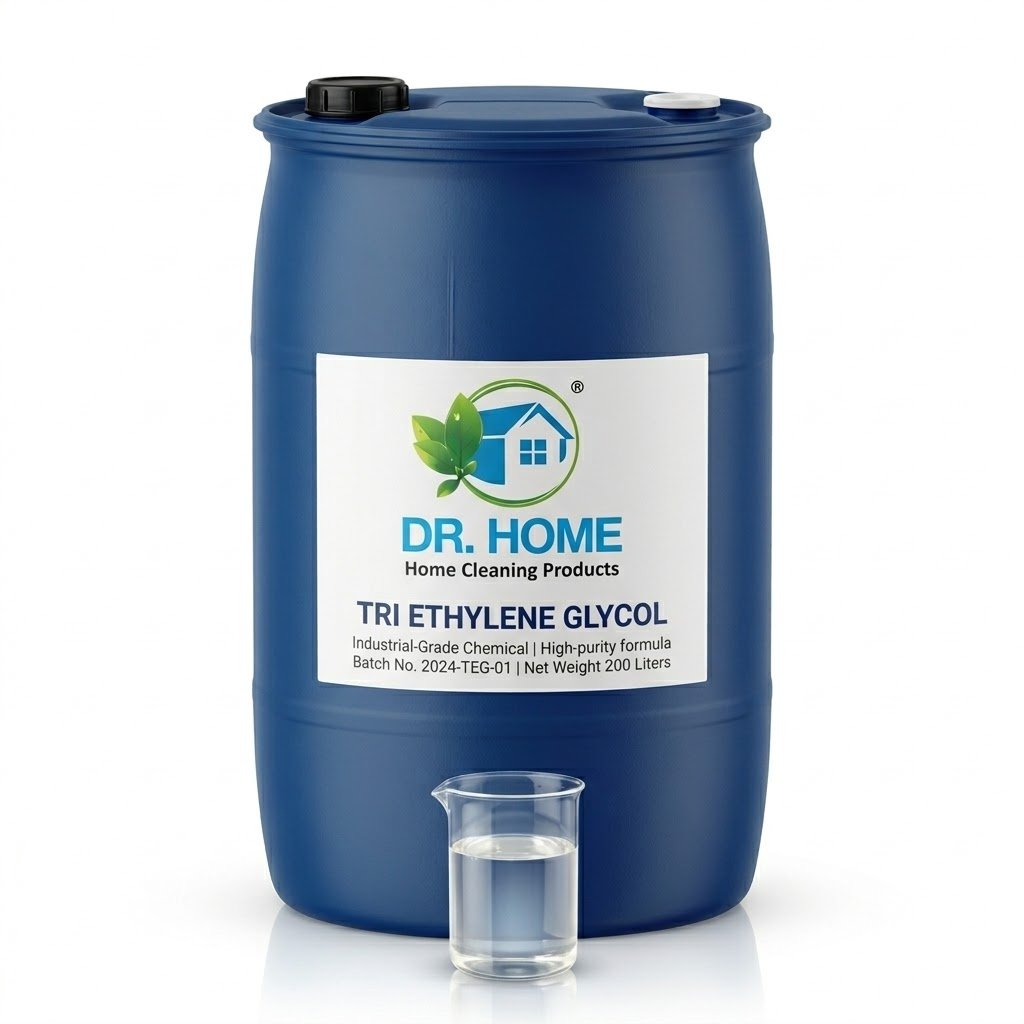
Tri Ethylene Glycol (TEG)
Tri Ethylene Glycol (TEG) is a clear, colorless, hygroscopic liquid widely used in the oil & gas industry as a dehydration agent for natural gas and as a hydrate inhibitor in gas pipelines and subsea systems. TEG has exceptional water absorption properties and a very low vapor pressure, making it highly effective for removing moisture from natural gas streams to prevent hydrate formation, corrosion, and flow assurance problems. In drilling operations, TEG is also used as a shale inhibitor and as a component in water-based mud systems for wellbore stabilization.
Product Overview
Tri Ethylene Glycol (TEG) is a clear, colorless, hygroscopic liquid widely used in the oil & gas industry as a dehydration agent for natural gas and as a hydrate inhibitor in gas pipelines and subsea systems. TEG has exceptional water absorption properties and a very low vapor pressure, making it highly effective for removing moisture from natural gas streams to prevent hydrate formation, corrosion, and flow assurance problems. In drilling operations, TEG is also used as a shale inhibitor and as a component in water-based mud systems for wellbore stabilization.
Technical Specifications
| Parameter | Value |
|---|---|
| Appearance | Clear, Colorless Liquid |
| Molecular Formula | C₆H₁₄O₄ |
| Molecular Weight | 150.17 g/mol |
| Density (25°C) | 1.119 – 1.125 g/cm³ |
| Boiling Point | 285°C at 1 atm |
| Freezing Point | -7°C |
| Flash Point | 177°C |
| Viscosity (25°C) | ~49 mPa·s |
| Water Content | ≤ 0.1% |
| Purity | ≥ 99% |
Applications
Natural Gas Dehydration
Primary dehydration agent in glycol contactors
Hydrate Inhibition
Prevents gas hydrate formation in pipelines and subsea systems
Shale Inhibition
Used in water-based drilling fluids as a wellbore stabilizer
Corrosion Prevention
Reduces moisture-related corrosion in gas pipelines
Heat Transfer Fluid
Used as a component in cooling and heating systems
Safety Information
Handling Precautions
- Avoid contact with eyes and skin during prolonged exposure
- Use appropriate PPE — gloves and safety goggles
- Keep away from ignition sources at elevated temperatures
Storage Conditions
- Store in a cool, dry, and well-ventilated area in tightly sealed containers
- Keep away from strong oxidizing agents
- Recommended storage temperature: 5°C – 40°C
- Shelf Life: 2 years from date of manufacture
First Aid Measures
- Eyes: Flush with water for 15 minutes; seek medical attention
- Skin: Wash with soap and water
- Inhalation: Move to fresh air
- Ingestion: Seek medical attention; do not induce vomiting
✔ Low acute toxicity under GHS classification
✔ Not classified as highly hazardous
⚠ Combustible at elevated temperatures
✔ Not classified as highly hazardous
⚠ Combustible at elevated temperatures
Frequently Asked Questions (FAQs)
Q1. What is the primary use of TEG in the oil & gas industry?
TEG is primarily used as a dehydration agent in natural gas processing. It absorbs water vapor from the gas stream in a glycol contactor, and the water-rich TEG is then regenerated by heating in a reboiler and recirculated.
Q2. How effective is TEG for gas dehydration compared to other glycols?
TEG is preferred over Mono Ethylene Glycol (MEG) and Di Ethylene Glycol (DEG) for gas dehydration due to its lower vapor pressure (which reduces TEG losses), higher boiling point (which allows easier regeneration), and lower cost of operation.
Q3. Can TEG be regenerated and reused?
Yes. TEG is typically regenerated on-site by heating the water-rich TEG to approximately 200°C in a reboiler, driving off the absorbed water. Regenerated TEG is recirculated back to the contactor for continued use.
Q4. What is the recommended TEG concentration for gas dehydration?
Regenerated TEG is typically used at concentrations of 98 to 99.5% purity. Higher concentrations are achievable with stripping gas injection and are required for meeting very low water dew point specifications.
Q5. Is TEG hazardous to the environment?
TEG has low aquatic toxicity and is considered relatively safe for the environment. However, spillage should be contained and cleaned up in accordance with local environmental regulations.
Q6. What is the shelf life of TEG?
TEG has a shelf life of 2 years when stored in sealed containers in a cool, dry environment away from strong oxidizers and direct sunlight.

Reviews
There are no reviews yet.