
Description
Guar Gum
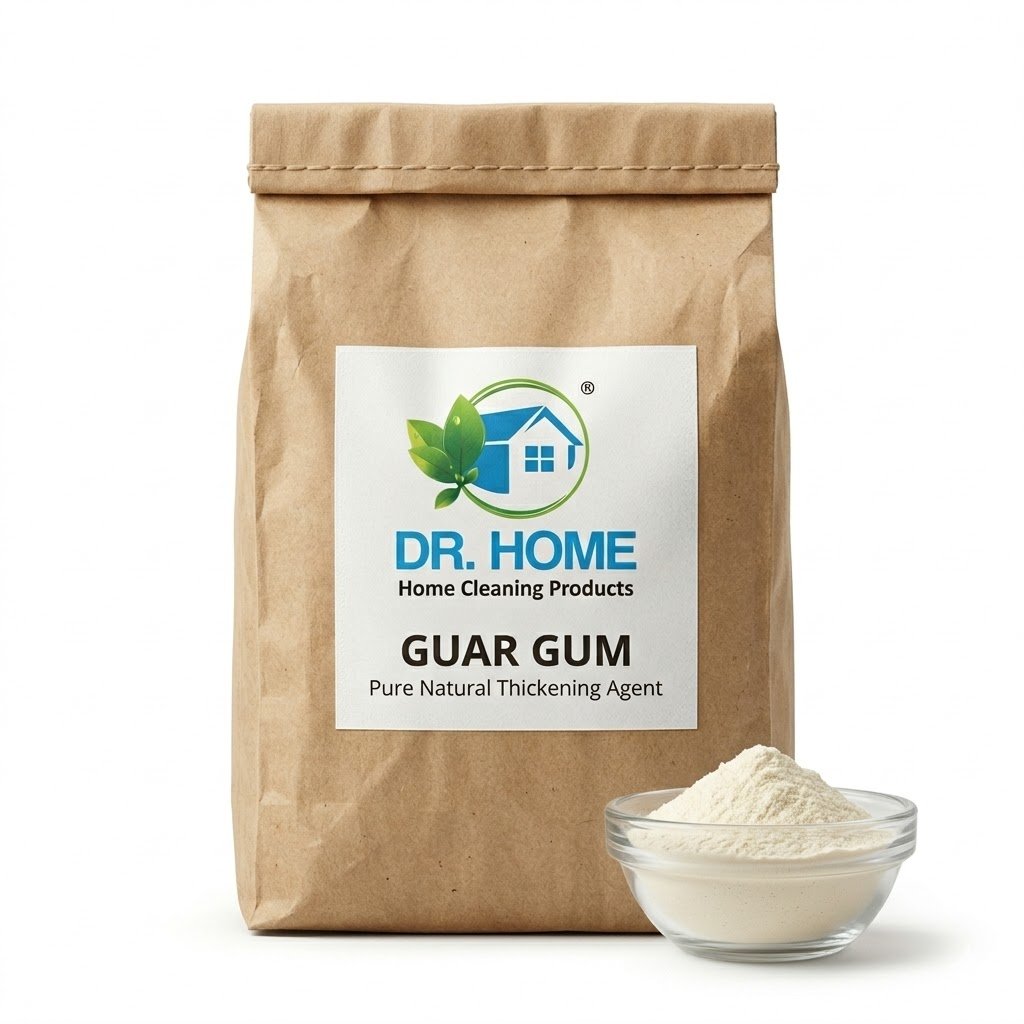
Guar Gum is a natural, water-soluble polysaccharide derived from the endosperm of guar beans (Cyamopsis tetragonoloba). In the oil & gas industry, it is primarily used as a viscosifier and fluid loss control agent in water-based drilling fluids and as a gelling agent in hydraulic fracturing (fracking) operations. Its excellent hydration properties and shear-thinning behavior make it highly effective across a wide range of drilling applications.
Product Overview
Guar Gum is a natural, water-soluble polysaccharide derived from the endosperm of guar beans (Cyamopsis tetragonoloba). In the oil & gas industry, it is primarily used as a viscosifier and fluid loss control agent in water-based drilling fluids and as a gelling agent in hydraulic fracturing (fracking) operations. Its excellent hydration properties and shear-thinning behavior make it highly effective across a wide range of drilling applications.
Technical Specifications
| Parameter | Value |
|---|---|
| Appearance | White to Off-White Powder |
| Moisture Content | ≤ 12% |
| Viscosity (1% solution, 25°C) | ≥ 3,000 mPa·s |
| pH (1% solution) | 5.5 – 7.0 |
| Particle Size | 95% pass through 200 mesh |
| Galactomannan Content | ≥ 75% |
| Ash Content | ≤ 1.5% |
| Solubility | Soluble in cold and hot water |
Applications
Drilling Fluids
Viscosifier and fluid loss control in water-based muds
Hydraulic Fracturing
Primary gelling agent for fracturing fluids
Completion Fluids
Viscosity modification and fluid loss control
Pill Treatments
Lost circulation and wellbore strengthening pills
Food & Pharmaceutical Industry
Used as a thickener and stabilizer
Safety Information
Handling Precautions
- Avoid inhalation of dust; use dust mask and gloves
- May cause allergic reactions in sensitive individuals
- Keep away from open flames
Storage Conditions
- Store in a cool, dry, and well-ventilated area
- Keep away from moisture and direct sunlight
- Recommended storage temperature: Below 35°C
- Shelf Life: 2 years from date of manufacture
First Aid Measures
- Eyes: Flush with water for 15 minutes
- Skin: Wash with soap and water
- Inhalation: Move to fresh air; seek medical attention if irritation persists
- Ingestion: Generally recognized as safe; seek medical attention if discomfort occurs
✔ Non-toxic
✔ Biodegradable
✔ Not classified as hazardous under GHS
✔ Biodegradable
✔ Not classified as hazardous under GHS
Frequently Asked Questions (FAQs)
Q1. What makes Guar Gum suitable for hydraulic fracturing?
Guar Gum forms a highly viscous gel when dissolved in water, which is essential for carrying proppants deep into fractures during hydraulic fracturing operations. It also breaks down into lower-viscosity fluid after fracturing, aiding cleanup.
Q2. Is Guar Gum effective in saltwater drilling fluids?
Guar Gum has moderate salt tolerance. It performs adequately in low-to-moderate salinity systems but may lose viscosity in high-salinity or brine-based fluids.
Q3. What is the recommended dosage for drilling fluids?
Typical dosage ranges from 0.5 to 3.0 lb/bbl for viscosity building. Dosage for fracturing fluids varies based on formation requirements and proppant loading.
Q4. Does Guar Gum degrade at high temperatures?
Guar Gum begins to degrade above 90°C (195°F). For high-temperature applications, derivatized guar products such as Hydroxypropyl Guar (HPG) or cross-linked guar systems are recommended.
Q5. Is Guar Gum biodegradable?
Yes. Guar Gum is a natural plant-derived polymer and is fully biodegradable and environmentally safe.
Q6. Can Guar Gum be used with enzyme breakers?
Yes. Enzyme breakers are commonly used with Guar Gum in fracturing applications to break down the gel after the fracturing operation is complete, improving fluid recovery.
Reviews
There are no reviews yet.