
Description
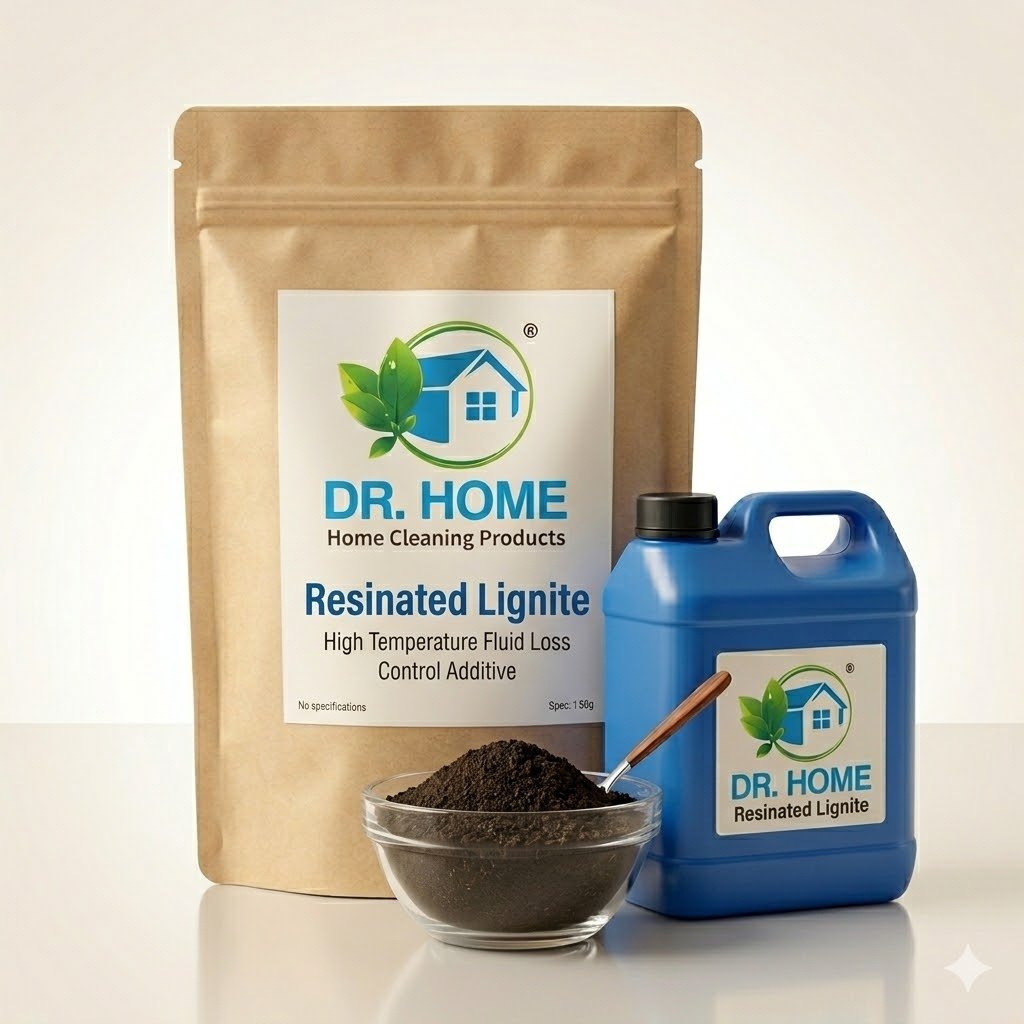
Resinated Lignite
Resinated Lignite is a chemically treated form of natural lignite (brown coal) combined with resin to enhance its performance as a drilling fluid additive. It is widely used in water-based drilling muds as a high-temperature fluid loss control agent and dispersant. Resinated Lignite is particularly effective in high-temperature, high-pressure (HTHP) drilling environments where conventional polymers may degrade.
Product Overview
Resinated Lignite is a chemically treated form of natural lignite (brown coal) combined with resin to enhance its performance as a drilling fluid additive. It is widely used in water-based drilling muds as a high-temperature fluid loss control agent and dispersant. Resinated Lignite is particularly effective in high-temperature, high-pressure (HTHP) drilling environments where conventional polymers may degrade.
Technical Specifications
| Parameter | Value |
|---|---|
| Appearance | Dark Brown to Black Powder |
| Moisture Content | ≤ 15% |
| pH (5% solution) | 9.0 – 11.0 |
| Alkalinity | High |
| Solubility | Alkaline water soluble |
| Active Lignite Content | ≥ 50% |
| Resin Content | Proprietary blend |
Applications
High-Temperature Drilling
Fluid loss control in HTHP wells
Water-Based Mud Systems
Filtration control and dispersant
Gyp & Lime Mud Systems
Effective in calcium-contaminated muds
Deep Well Drilling
Thermal stability at elevated temperatures
Reducing Differential Sticking
Improves lubricity in difficult formations
Safety Information
Handling Precautions
- Avoid inhalation of dust; use dust mask and gloves
- Avoid contact with eyes and skin
- Wash thoroughly after handling
Storage Conditions
- Store in a cool, dry, and well-ventilated area
- Keep away from moisture
- Shelf Life: 2 years from date of manufacture
First Aid Measures
- Eyes: Flush with water for 15 minutes; seek medical attention
- Skin: Wash with soap and water
- Inhalation: Move to fresh air
- Ingestion: Do not induce vomiting; seek medical attention
⚠ Mild irritant
✔ Not classified as hazardous under standard GHS criteria
⚠ Handle with care due to alkaline nature
✔ Not classified as hazardous under standard GHS criteria
⚠ Handle with care due to alkaline nature
Frequently Asked Questions (FAQs)
Q1. What makes Resinated Lignite better than plain lignite?
The addition of resin significantly improves the thermal stability and fluid loss control performance of lignite, making Resinated Lignite more effective in HTHP drilling conditions compared to untreated lignite.
Q2. At what temperature is Resinated Lignite effective?
Resinated Lignite is effective at temperatures up to 220°C (430°F), making it suitable for deep and high-temperature well applications.
Q3. Is Resinated Lignite compatible with all mud systems?
It performs best in alkaline water-based mud systems. It is also effective in gyp and lime muds. It is not recommended for use in oil-based mud systems.
Q4. Does Resinated Lignite affect mud weight?
Resinated Lignite has a minor effect on mud weight when used at standard dosage rates. Its primary function is filtration control and dispersion.
Q5. What is the recommended dosage?
Typical dosage ranges from 2 to 8 lb/bbl depending on the mud system and temperature conditions.
Q6. Is Resinated Lignite environmentally safe?
Resinated Lignite is derived from natural lignite and is generally considered safe for use under standard industrial conditions. Disposal should comply with local environmental regulations.
Reviews
There are no reviews yet.